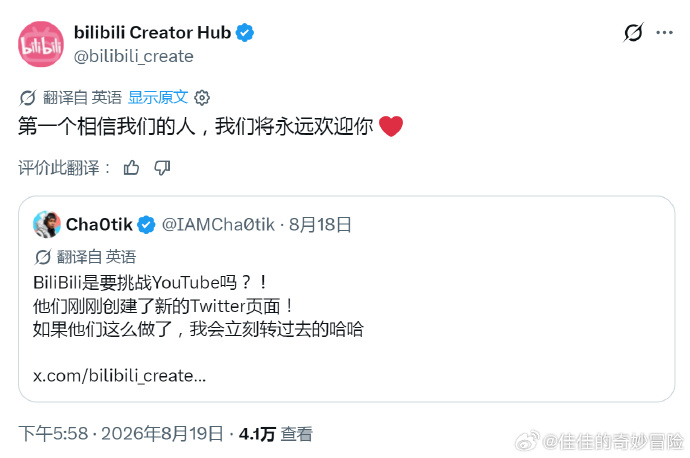
就在昨天,B 站突然在推上宣布:B 站国际版APP,正式上线了。 The following is a transcript of an interview with Secretary of Commerce Gina Raimondo that aired on "Face the Nation" on September 3, 2023.ROBERT COSTA: We now go to the Secretary of Commerce Gina Raimondo. Good morning, Secretary. Thanks for being here. Let's begin with the economy. On Friday, the Bureau of Labor Statistics released the jobs report for August, and people around their tables this weekend are looking at it. It shows 187,000 jobs were added last month, exceeding expectations. But more people are working more than one job. How worried are you about this?SECRETARY GINA RAIMONDO: Good morning, thanks for having me. This jobs report is exactly what we want to see at this point in the recovery. As you just said, you know, creating more jobs, really exciting is that people are getting off of the sidelines. You know, we're seeing more people come into the labor force and there are jobs for them. As you say, people are working, you know, more than one job and wages are up, it should be said, but this is exactly why President Biden is so focused on creating manufacturing jobs, which are higher paid, getting folks the skills they need to get a higher paying job. There's still a lot of work to do to make sure that every American has the skills they need to get a job, which is family support and sustaining. But- and we're doing that work. But overall, there's a lot to like in this jobs report. And it's exactly- it exceeded our expectations. ROBERT COSTA: In terms of that work that's still to be done, the administration is touting its efforts. It's confident in the economy. But our CBS News polling, Secretary, shows 65% of Americans still view the economy as being in a bad place. Why do you believe your administration, along with President Biden, has struggled to reassure those Americans about these policies and about the economy?SEC. RAIMONDO: So it's- it's an interesting, you know, dichotomy between the- the numbers, and as you say the polling numbers or the- the perception numbers, I think the reality is that inflation still exists. And it is, you know, something that people see on a daily basis when they go to the grocery store, or pay their rent, or pay their mortgage. And we have to know that, you know, that's still a challenge for folks. That being said, if you look at where we are today, compared to when the President took office, it's an unbelievable story of progress. And I will tell you, even I, you know, his- the President's Commerce Secretary, if you had told me when we started based on where the economy was, how high the unemployment rate was, how, you know, disrupted supply chains were, that we'd be sitting here now with this jobs picture, I might not have believed it. I mean, it's just a stunning amount of progress. The economy- we're among the strongest economies in the world. We all went through COVID, right, Europe did, China did, Asia did yet we have emerged, the fastest and the strongest. So I don't want to minimize what Americans are feeling, and that's why we get up and go to work every day. But this economy by any measure is doing incredibly well and much better than anyone could have predicted I think three years ago when we started.
ROBERT COSTA: After looking back, let's also look ahead, the White House is working with Congress to hammer out an agreement on a short term funding measure to avoid an October 1 partial federal government shutdown. When you talk to business leaders right now, are they worried about this deadline and what a shutdown could mean for the US economy?SEC. RAIMONDO: Yes, they are worried- they're very worried. They are, I think, in some cases, frustrated that this is how government operates. You know, what businesses need to be successful is- is predictability, you know, predictability, some semblance of, you know, regular order. And so these sorts of disruptions that are mainly driven by politics. So it's a challenge for the economy and have the potential to set us back. So I do hope that there will be a speedy resolution.ROBERT COSTA: Secretary, you are the first commerce secretary in five years to be on the ground in China in recent days. What progress, if any, do you think you made on the ground there?SEC. RAIMONDO: I think we made a great deal of progress. In terms of concrete deliverables, I was able to open three specific lines of communication with the Chinese, which is a huge step forward. We haven't really had any contact in more than five years. So we agreed to share information about export controls, we agreed to open a dialogue on commercial issues, which is so important, because China has not treated US business fairly. And so it's- we got to put those issues on the table. And we agree to have exchange around trade secrets, another area where businesses need to- deserve to know that their trade secrets will be protected in China. But I think more than any of that we just are starting to resume a direct line of contact and communication, which we need to do if we're going to manage what is a very complex and potentially volatile relationship with China.
ROBERT COSTA: So people may be heartened to hear at least some that the US and the Chinese, they're talking, there's open lines of communication right now. But what's next, beyond having this dialogue? What specifically can you say is going to happen next?SEC. RAIMONDO: So my message to the Chinese officials with whom I met is that action speaks louder than words. So they gave verbal assurances that they will treat US businesses fairly, that they will not engage in non-market practices which hurt American workers. And my message was, well, let's see it. You know, actions speak louder than words. So time will tell whether they are going to really be as they say they want to be, you know, more market oriented and open and reform minded when it comes to their economy, their regulatory regime. They need to be less arbitrary in the way they administer regulations to actually give American businesses a fair shot to compete.ROBERT COSTA: You said on the trip that quote, increasingly, I hear from American business that China is uninvestable, because it becomes too risky. So what exactly did you get in terms of those assurances from the Chinese, that would really give confidence to American business leaders?SEC. RAIMONDO: They said that they would talk to American businesses and begin to address these issues. Like, for example, one of the complaints I hear frequently from US business, by the way, business who are used to doing business in- in difficult parts of the world. They say that, you know, China's regulations are not at all transparent. You know, they'll raid a business in March and not explain what went on for many months. They will arrest folks but not provide due process or tell you what happened. And so when I expressed these concerns, I was heard, I wasn't given any promises. But one thing that I think we can take a bit of heart in is it's in China's interest. It's in their economic interest to have foreign direct investment and to make sure, you know, they had a very good economy when they were market oriented and reform minded. And so we have to hope that self interest will affect their future decisions.ROBERT COSTA: So they might have that motivation, but you saw them face to face, you had meetings with them. That's the value of having these sorts of trips. Do you trust the Chinese at this point after all of your conversations, after digesting what happened on your trip, do you trust them?SEC. RAIMONDO: Trust is probably not the word I would use. We need to see action. And until we see action, there can be no trust.ROBERT COSTA: And they hacked into your own email account so that might have hurt the ability to have a trustworthy relationship.
SEC. RAIMONDO: Exactly. And I said that, you know, hacking my account erodes trust, undermining American workers, by over subsidizing certain industries erodes trust, treating American businesses unfairly on the ground erodes trust. So but, you know, look, I- we can't be naive and oversimplify this relationship, this very challenging relationship. But we have to be practical, right? We have to protect ourselves first and foremost, national security, the United States. Beyond that we have to be practical and look for places where we can have a strong commercial relationship because we need stability in this relationship. That's good for America. And- and I think it's what the world is expecting of us and of China.ROBERT COSTA: You're looking for stability, Secretary. But the big question is, is China's economy stable? There have been indicators over the last several months that showed China's economy's in a slowdown. When you were over there, did you get insights, if any, about whether the Chinese economy is slowing down? And how concerning would that be for the United States?SEC. RAIMONDO: I think there's no question that it is slowing down. And certainly they're having real, real significant challenges in the real estate sector, which they readily acknowledged when I was there. But again, to my mind, the facts are quite clear in this regard. When China was more market oriented, open, you know, a little bit more transparent, their economy did very well. And more recently, as they have closed down and become more arbitrary in the way they administer regulations, the economy is quite challenged. So time will tell. The decision- the ball's in their court- the decisions are theirs. We want a large and stable economic relationship with them, but they have to play by the rules. And we are always going to act in our own American self-interest.ROBERT COSTA: Speaking of playing by the rules, there's such a standoff right now between the Chinese and tech companies. Semiconductors are crucial for our economy, yet China's threatening to curb the mineral supply to the US and the West. And many US businesses tell CBS they're operating in China, but seeing this hostile environment with raids, and fines. So how is your administration going to solve this back and forth between the Chinese and the tech industry?SEC. RAIMONDO: This is exactly why I went to China. It's exactly why I went, showed up, had meetings. I met with my counterpart for more than four hours. I met with the premier for more than one hour. They were open, candid, honest discussions. How are we going to resolve these issues? Because I'll tell you, prior to going to China, I personally spoke with more than 100 US business leaders and labor leaders. And what they tell me is that even the ones that have been doing business in China for decades, you know, these are sophisticated people used to dealing with the traditional concerns of, you know, IP- IP theft or non-market practices. They say, it's much harder now. Right? Like China is making it more difficult because of the reasons you say the raids, the counter espionage law. They are going to make a business decision to do business in other countries unless that improves. And so I was very clear with China that we need to- patience is wearing thin among American business. They need and deserve a predictable environment and a level playing field. And hopefully China will heed that message so we can have a stable growing commercial relationship.ROBERT COSTA: And there are many voices as you know in the ears of American business leaders. A Wall Street Journal report, earlier this year, for example, said that the FBI director, Christopher Wray, wants businesses to help fight China and cyber threats. He reportedly said that only through cooperation with the FBI can that agency marshal an effective response. Do you agree with Director Wray?SEC. RAIMONDO: I agree that business has an important role to play partnering with us to ensure America's national security across a range of different areas, including technology. And, you know, that's why we are in such close contact with business, frankly, often the information they have on the ground is some of the best that we can- we can get.
ROBERT COSTA: But is it good for businesses to work with the FBI specifically?SEC. RAIMONDO: Every business has to make their own decision. But I definitely think there's value- there's mutual value for business, and certainly for the government to have communication and coordination.ROBERT COSTA: And I'm often out on the campaign trail, Secretary. And I know you stay out of politics. But one thing I'm hearing from so many Republicans across the country, especially governors, they want to block Chinese companies from making investments and buying farmland in the United States. Does the Biden administration and do you support Chinese companies making investments and buying farmland in the United States?SEC. RAIMONDO: We have to be very, very careful, we have to screen every investment and make a decision as to whether it hurts our national security or not. Not every investment from China into America is- harms our national security, but many do. And so it's a case by case basis, looking into the facts and being as tough as we need to be, but also being, you know, realistic and not hyperbolic. Just being, like I say, practical. It's time to be practical, pragmatic and serious about managing every aspect of this relationship.ROBERT COSTA: Secretary Raimondo, we appreciate you taking the time on a Sunday. Thank you.SEC. RAIMONDO: Thank you. Have a great Labor Day weekend. 。为此,连发了好几条推文,还一下干上了推的热榜。我知道,你可能想说:哎 B 站国际版 App 不是早就有了吗?确实,B 站在 2022 年就上线过一款白底的国际版 App。
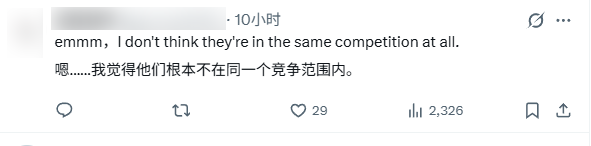
B | 不过在去年下架调整,现在属于重新上线。有趣的是,明明只是个秽土转生的应用,这次上新却来势汹汹,阵仗不小。原贴下面,各国网友居然就 B 站这波到底能不能干翻油管,吵翻天了。恨死油管的人,举手欢迎 B 站到来;有的觉得 TikTok 牛的不行,那 B 站估计也是狠角色吧。但也有的人觉得,压根不行,俩不在一个水准。
C | B 站自己倒是信心十足,似乎真是冲着油管去了,各种转发别人给它发的红帖。那么这次到底上了啥新功能?能不能挑一挑油管呢?首先,这次更新了两大核心功能。一是,取消了身份认证的环节。使用谷歌账号即可直接登录,不需要额外的身份验证。这个功能就值得老外们起立了。因为以前港澳台以及海外用户,注册 B 站都要再进行一道额外的身份认证,甚至 22 年还需要提交护照。这个一度劝退了相当一大部分的人。
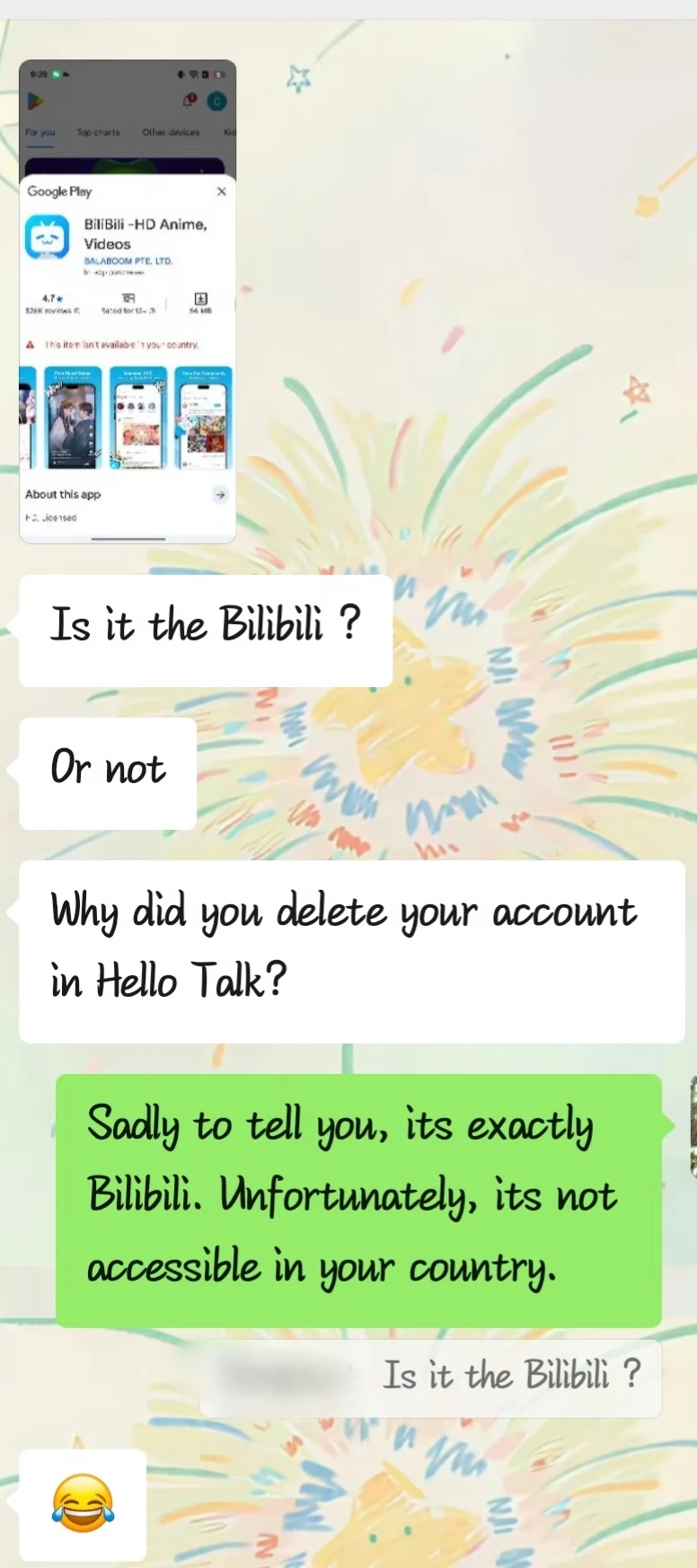
D | 现在在社交平台上,还有老外在发帖求助:这玩意到底咋注册。
E | 但现在,谷歌账户就可以丝滑注册。注册成功后,就可以无缝丝滑地观看 B 站上几乎所有的内容。
F | 第二个史诗级更新是,上线了 AI 原声翻译。
G | 也就是能够模仿 up 的声线,做实时的语音翻译。甚至理想状况下,连口型都可以改变。原版其实去年就上了,现在国际版相当于同步了这项功能。世超这里也放一段录屏,大家可以感受一下水平如何。比较可惜的是,现在只支持部分视频,翻译的语言也只有英语和日语。相比较,油管的 AI 实时翻译已经能支持十几种语言,我们还是小拉了。那么,除了这两个重大更新之外。对于我们普通用户来说,国际版 App 其他功能,使用体感如何呢?众所周知,这些国际版的 APP 里都藏着一些国内没有的福利。当年初代国际版下架,可是让不少用户伤心很久。
H | 世超的答案是,这次比初代国际版还要简洁。顶部分区入口总共只有 2 个,【推荐】和【热门】。
I |
左为原版,右为国际版连初代国际版保留的【直播】入口都取消了。世超发现,取消的不只是入口,整个直播功能也被砍。在国际版 B 站中,我们是无法观看或开启直播的。
初代国际版 B 站顶部分区世超又逛了一圈,发现大部分花里胡哨的功能都被砍了。顶部栏砍完,底部标签页接着砍。会员购入口,取消。左上角头像入口里的【最近】、【看视频】、【听视频】之类的功能,全部取消。热门中的排行榜、每周必看这些细分入口,也取消。左为原版,右为国际版
r | 从那之后,B 站的出海之路不断收缩。2024 年关掉了海外版的 B 站漫画,2025 年又下架了主站国际版。那么屡战屡败,沉寂一年后,为啥 B 站突然又觉得自己行了呢?世超猜测,一方面是 AI 给了 B 站一点信心。以前一个中文 UP 主的视频想让老外看懂,要做字幕、重新配音、处理画面文字,一条视频折腾下来,成本可能比视频本身还高。现在有了 AI,可以做到原声翻译,大大降低了海外内用户接触的门槛。翻译器一点,连声音带字幕就都翻译到位了。另一方面,B 站在老外那还是有口碑和声量的。在听说全球版要上线后,不少日区的网友都在感慨。“ 如果 B 站来日本,niconico 就完蛋了 ”、“ 上面有很多精美绝伦、宛如神作的手绘女神异闻录视频 ”。前段时间,《 牛来 》不是一路火到老外那了。很多人慕名来到 B 站,在 B 站上看完了全片。在这种关键时刻,居然想到的是去 B 站找片子。至少说明,B 站确实充当了一部分海外网友的片源库。
s | 不过,口碑归口碑,能不能真正把用户和创作者留住,还是另一回事。如果真想从油管那抢走市场,对创作者的激励才是最后的重点。你可以靠奖金把创作者请进来,也可以靠活动吸引大家先发几条视频。但最后赚不到钱,人总是会走。到底行不行,还是得让子弹再飞一会。不过,作为 B 站的深度用户,世超还是希望 B 站能撕开一条口子的。
t | 今年,不论是老外迁徙小红书,还是 X 翻译功能引发的全球人民大对账。都在说明,语言隔阂正在慢慢消失。那些曾经只属于我们的造梗狂欢、神仙剪辑和宝藏 UP 主,也有机会去改变一下老外的世界观了。期待来自不同国家和地区的网友,在同一个中国 UP 主的视频,用着不同的语言齐刷刷地打出那句:全体起立。撰文:四大编辑:莽山烙铁头 & 面线
。
u |
Current article:http://ybdt2.cuntoujuefourantapai.cfd/4as/20260826/88545.html


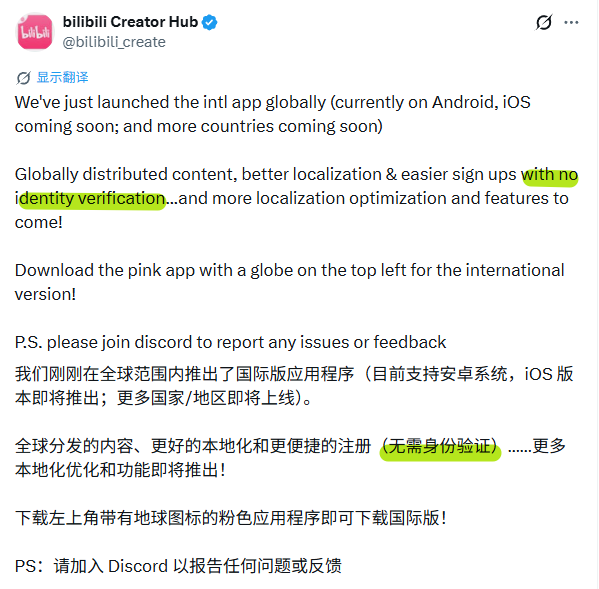 我知道,你可能想说:哎 B 站国际版 App 不是早就有了吗?确实,B 站在 2022 年就上线过一款白底的国际版 App。
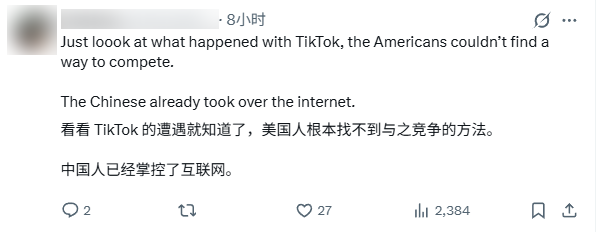
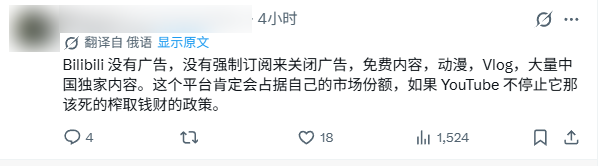 但也有的人觉得,压根不行,俩不在一个水准。
 B 站自己倒是信心十足,似乎真是冲着油管去了,各种转发别人给它发的红帖。那么这次到底上了啥新功能?能不能挑一挑油管呢?
 首先,这次更新了两大核心功能。一是,取消了身份认证的环节。使用谷歌账号即可直接登录,不需要额外的身份验证。这个功能就值得老外们起立了。因为以前港澳台以及海外用户,注册 B 站都要再进行一道额外的身份认证,甚至 22 年还需要提交护照。
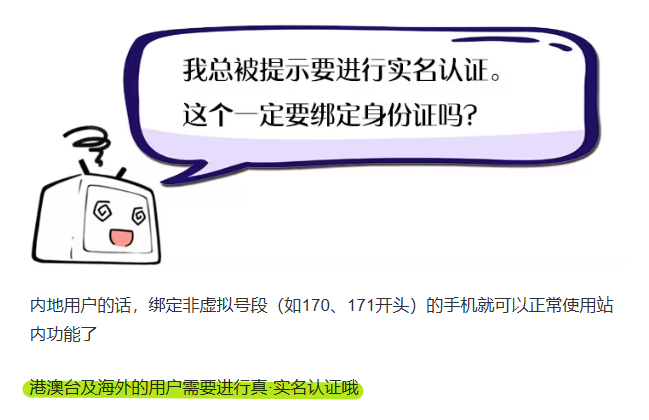 这个一度劝退了相当一大部分的人。


 第二个史诗级更新是,上线了 AI 原声翻译。
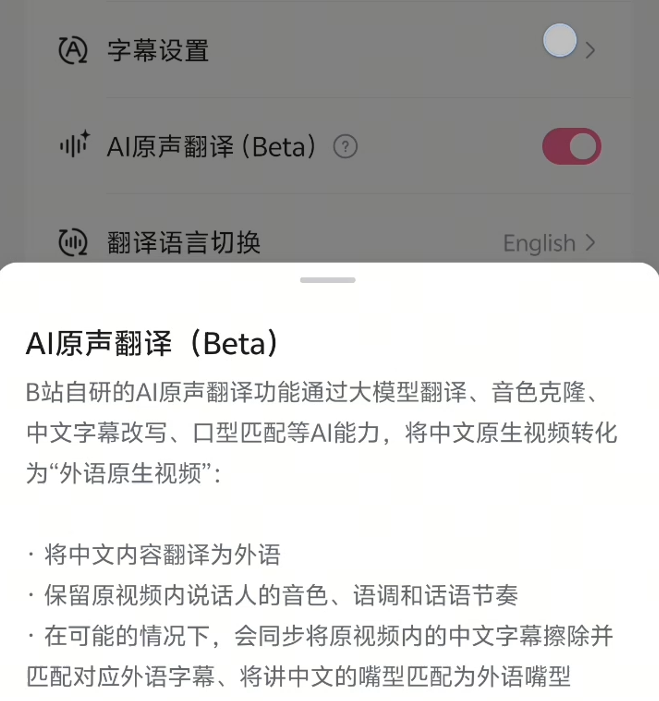 原版其实去年就上了,现在国际版相当于同步了这项功能。世超这里也放一段录屏,大家可以感受一下水平如何。比较可惜的是,现在只支持部分视频,翻译的语言也只有英语和日语。相比较,油管的 AI 实时翻译已经能支持十几种语言,我们还是小拉了。那么,除了这两个重大更新之外。对于我们普通用户来说,国际版 App 其他功能,使用体感如何呢?众所周知,这些国际版的 APP 里都藏着一些国内没有的福利。当年初代国际版下架,可是让不少用户伤心很久。

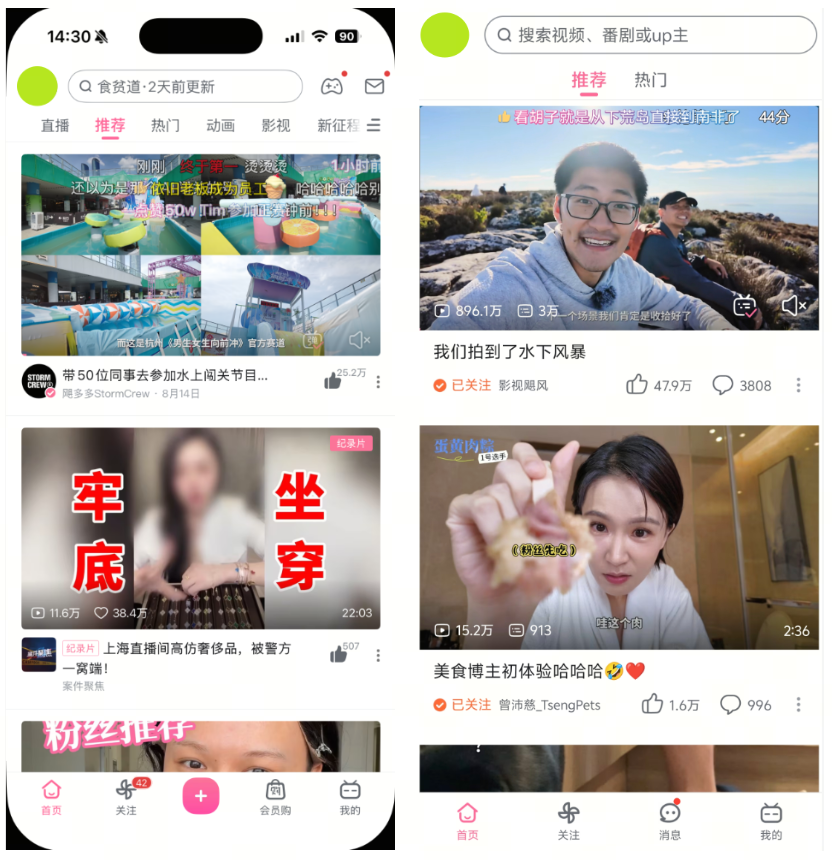
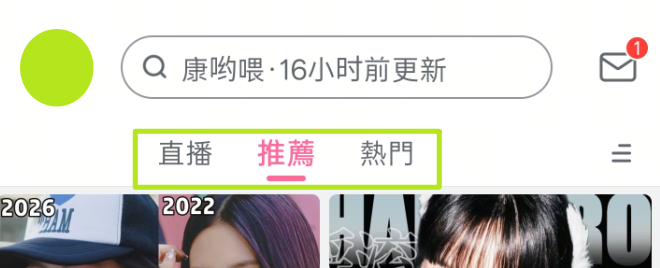
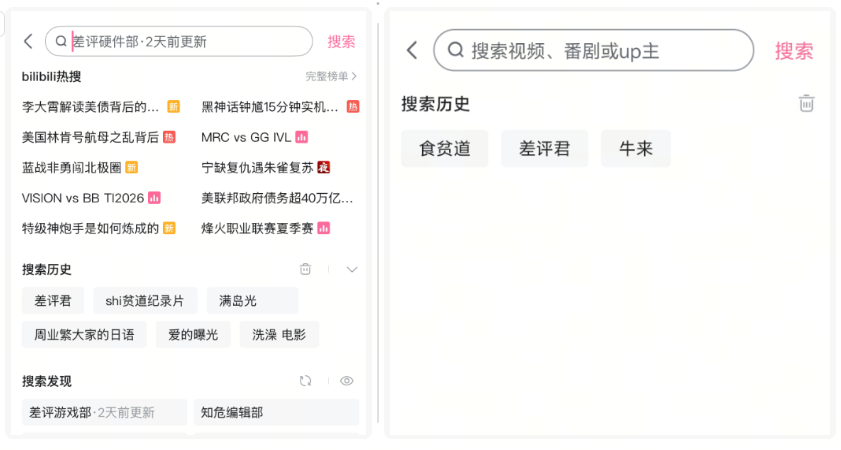
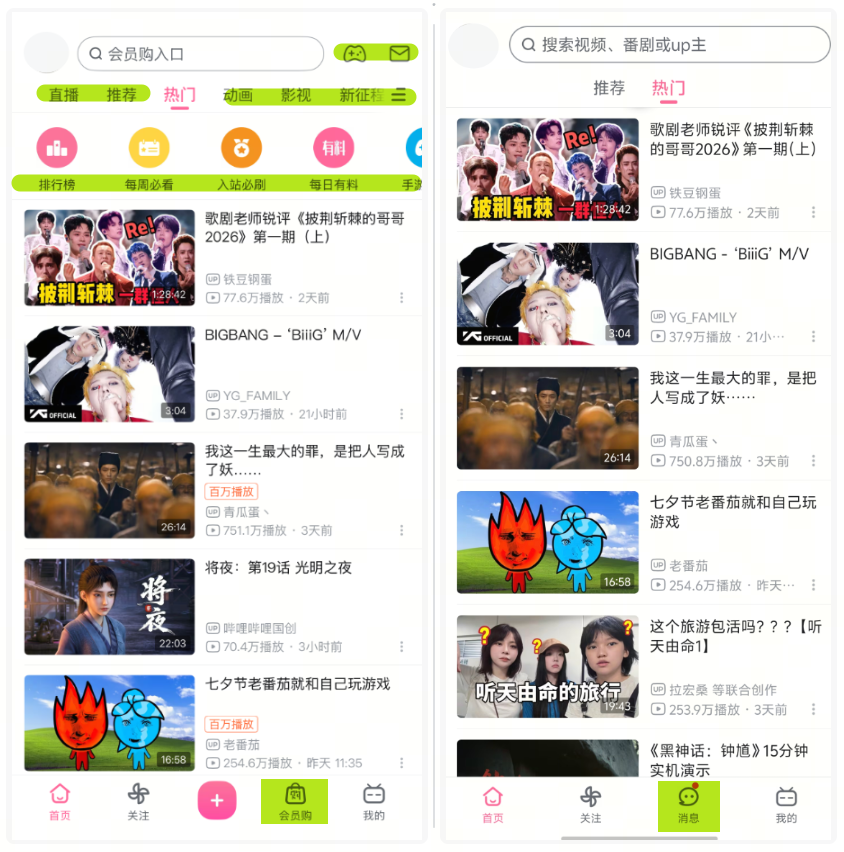 甚至,搜索栏一点进去,也是简洁得吓人。什么热搜榜单、搜索发现一键清零,只保留搜索历史一栏。
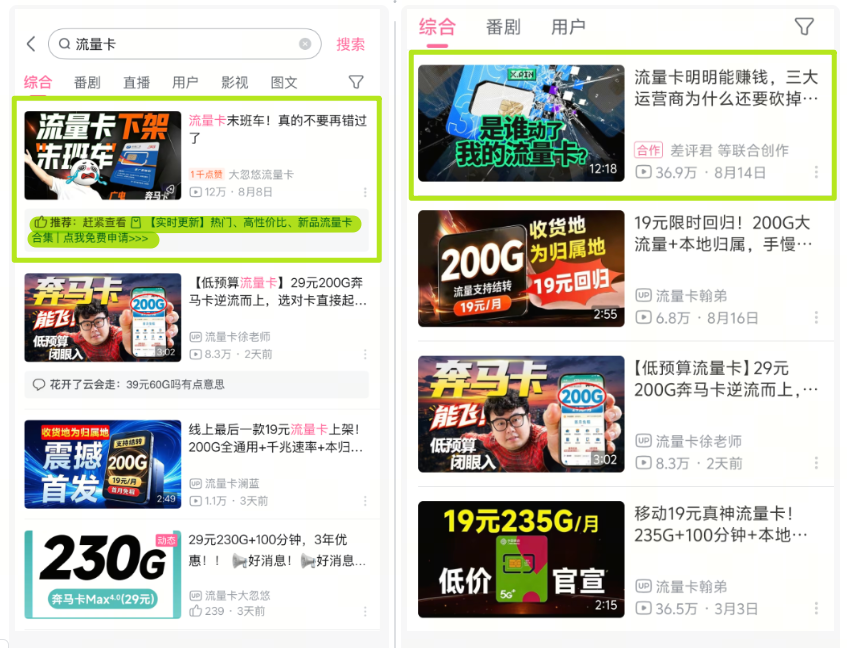
 同时,还有一个非常重要的点,就是世超简单体验过后,发现—— 到目前为止,国际版 App 几乎没有任何广告。这个广告,包括:开屏广告、顶部海报广告、贴片广告、信息流中插广告、推广内容等等。世超专门测试了广告大户流量卡。左侧原版,最先显示的就是推广内容,往下滑基本每一屏都有广告或推广。
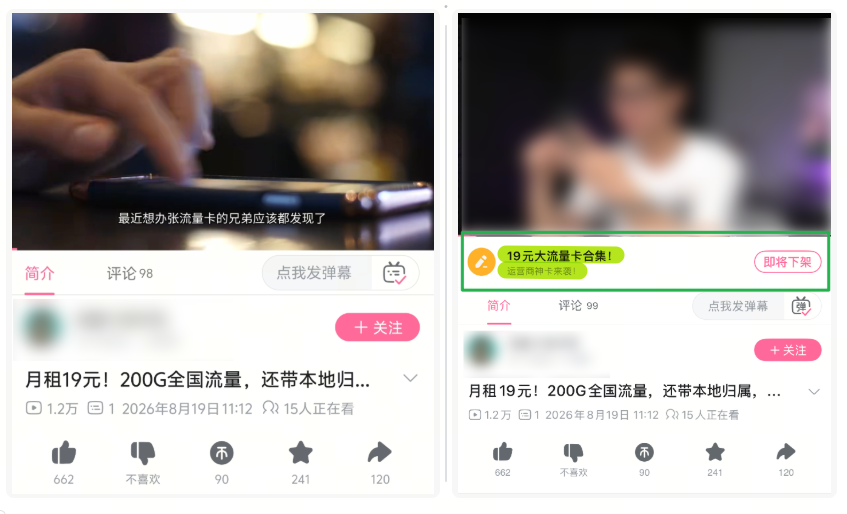
 点到视频里,原本 UP 主插入的顶部贴片广告也消失了。
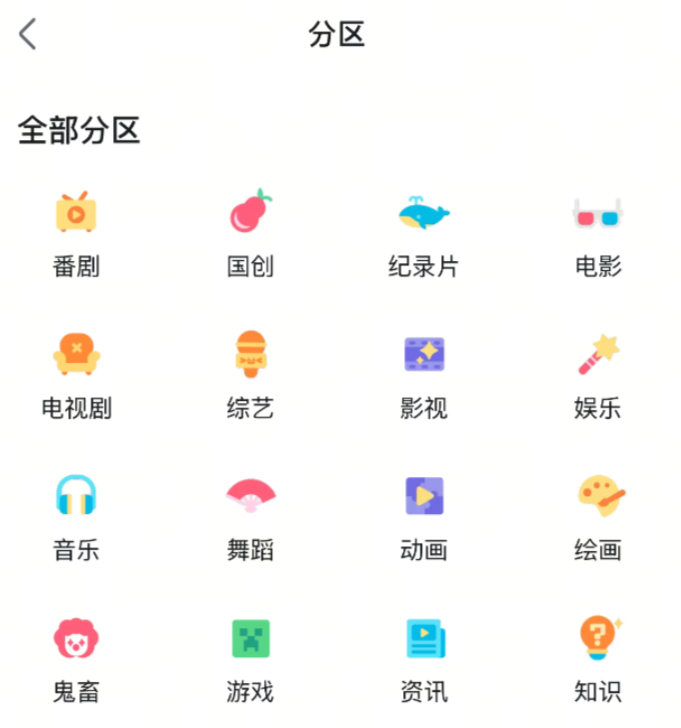
 对于想要沉浸式刷视频的用户来说,国际版就非常丝滑了。唯一让世超觉得有点难受的是,内容分区功能也下架了。B 站本来就是兴趣社区,分区就能方便兴趣用户快速定位内容。但现在,如果想看番剧,就只能想好了看什么,然后搜片名。不能再分区里刷,或是看新番时间表。
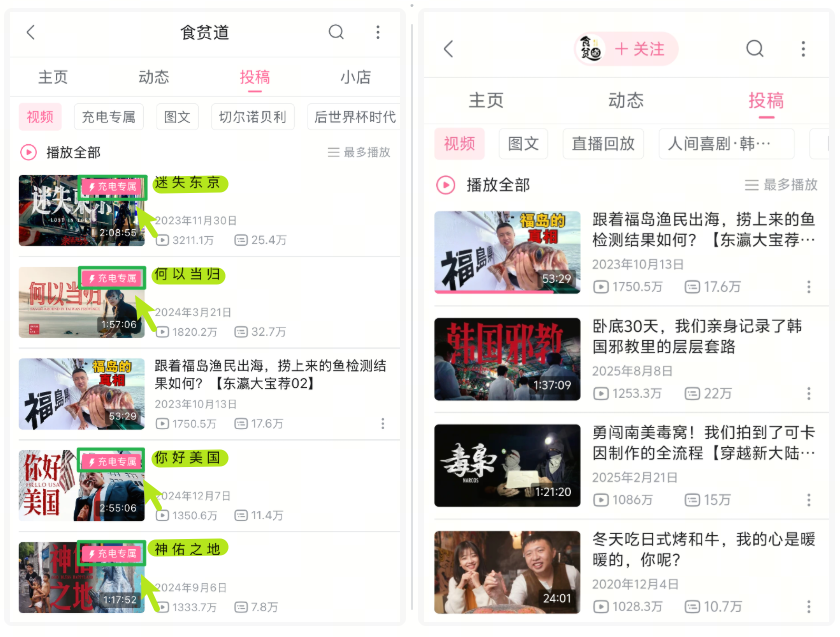
 用户角度说完了,再来看看创作者端。创作者这边基本没有上线太多功能,反而阉割了不少核心功能。比如世超发现,国际版是没有办法给创作者充电激励的。
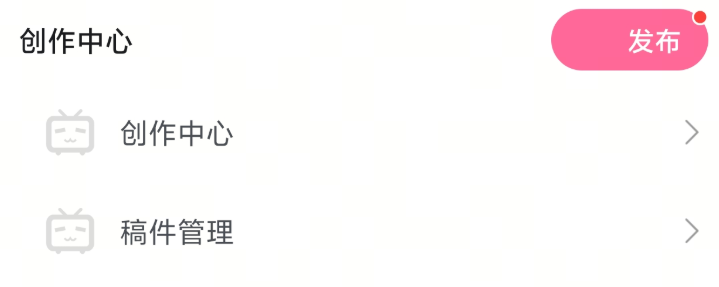
 同时,创作者服务功能和入口都快被砍成光头了,就剩稿件管理和创作中心俩入口。而且贴片广告之类的营收途径,现在也都没了。
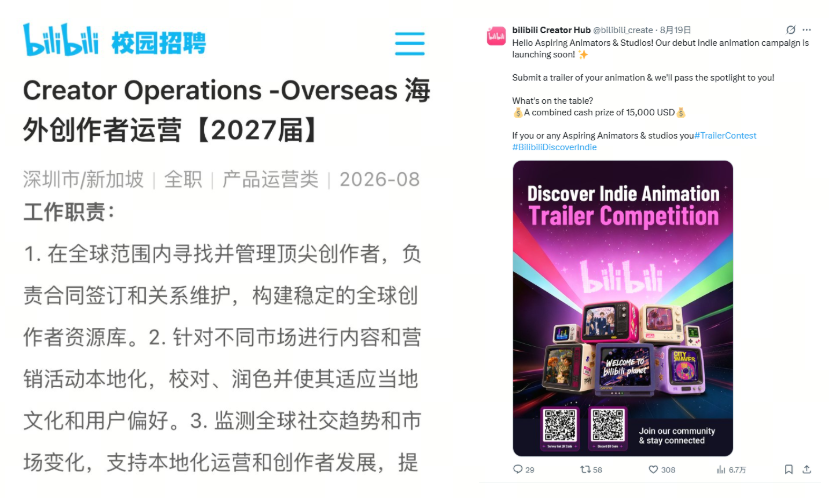
 不过,B 站官方说开通了专属于海外创作者的激励金,还宣布举办首届独立动画大赛,总奖金为 15000 美元。后续为了吸引海外创作者,可能会有额外的补贴。
 大致功能说完了,大家觉得这次的国际版怎么样呢?总体来看,更像是一个极致清爽版的 B 站,并优化和补齐了部分初代国际版没有的功能。作为主站代餐,用来沉浸式刷视频还是非常 nice 的。
 大概 2020 年左右,B 站成立了一个叫“ 星辰项目部 ”的部门,专门负责海外内容。并开始尝试正儿八经地在东南亚扩张,上线了东南亚专供的特调版 B 站。 说实话,和东南亚版 B 站相比,这次的国际版多少像个半成品。当时不仅重做了整个UI 视觉,内容上也是本土专供。首页基本都是当地语言的视频,中文内容会单独放到一个【汉文化】板块里。
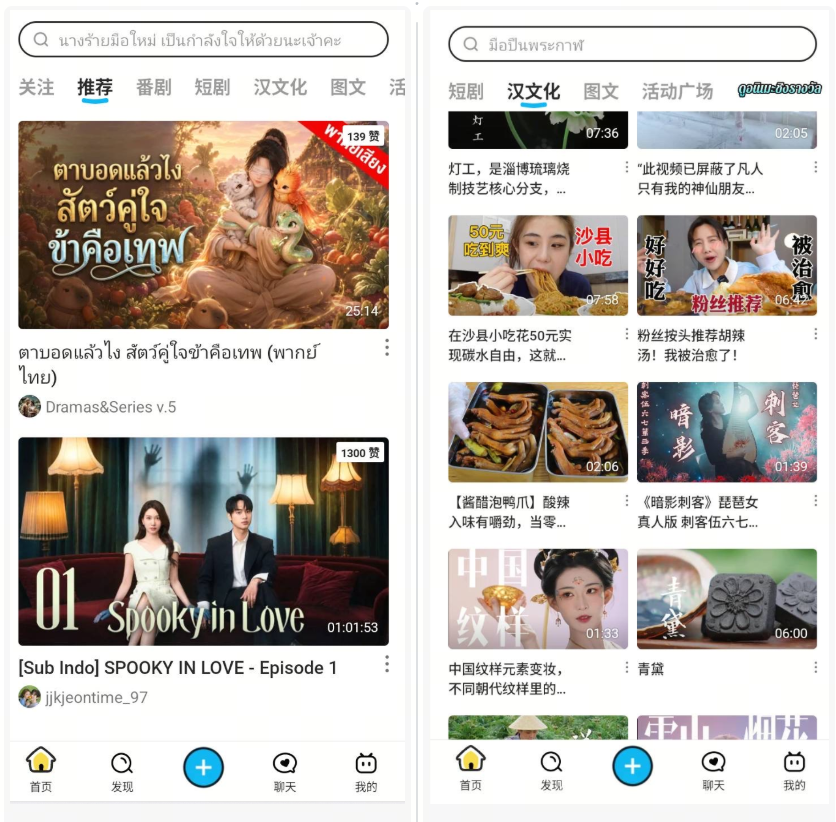 还根据当地人喜好,开设了很多本地化板块。就比如,泰国版的顶部是有一个单独的【短剧】入口。点进去,什么“爱你蓄谋已久”、“乖,我的霸总小奶狗”等等。

 还为不同地区引进了大量的番剧,并贴心地做好了翻译、招聘本地运营,可谓诚意满满。

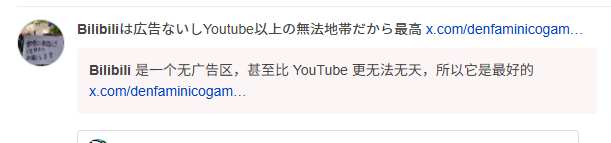
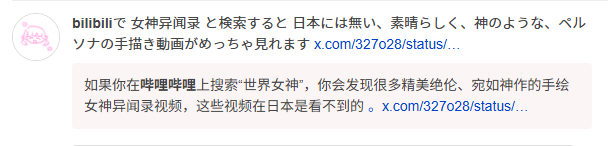
 那么屡战屡败,沉寂一年后,为啥 B 站突然又觉得自己行了呢?世超猜测,一方面是 AI 给了 B 站一点信心。以前一个中文 UP 主的视频想让老外看懂,要做字幕、重新配音、处理画面文字,一条视频折腾下来,成本可能比视频本身还高。现在有了 AI,可以做到原声翻译,大大降低了海外内用户接触的门槛。翻译器一点,连声音带字幕就都翻译到位了。另一方面,B 站在老外那还是有口碑和声量的。在听说全球版要上线后,不少日区的网友都在感慨。“ 如果 B 站来日本,niconico 就完蛋了 ”、“ 上面有很多精美绝伦、宛如神作的手绘女神异闻录视频 ”。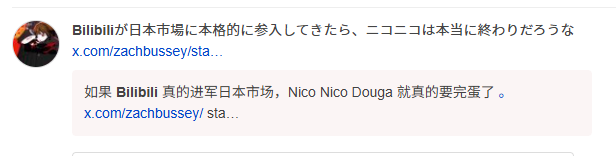
 前段时间,《 牛来 》不是一路火到老外那了。很多人慕名来到 B 站,在 B 站上看完了全片。在这种关键时刻,居然想到的是去 B 站找片子。至少说明,B 站确实充当了一部分海外网友的片源库。
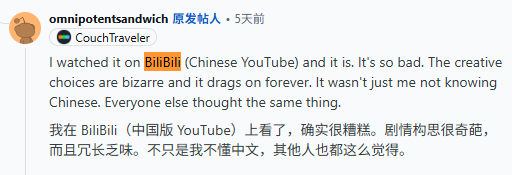 不过,口碑归口碑,能不能真正把用户和创作者留住,还是另一回事。如果真想从油管那抢走市场,对创作者的激励才是最后的重点。你可以靠奖金把创作者请进来,也可以靠活动吸引大家先发几条视频。但最后赚不到钱,人总是会走。
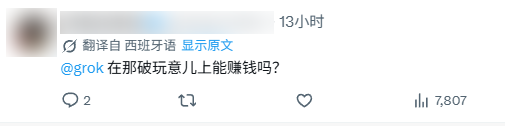 到底行不行,还是得让子弹再飞一会。不过,作为 B 站的深度用户,世超还是希望 B 站能撕开一条口子的。

 장미란씨 '4미터 야자수 숲' 뚫고 홀로? 현지인도 의문
 最新版QMT怎么开通?量化交易门槛大降!10万即可开通QMT
 这届年轻人,为何负债旅行?
 小行星2022 UQ1现被确认是露西号任务留下的太空垃圾
 难顶!火箭解说:季后赛和库里打了这么多次我都PTSD了
 众志成城,国足逼平日本队
查看所有0条评论>>